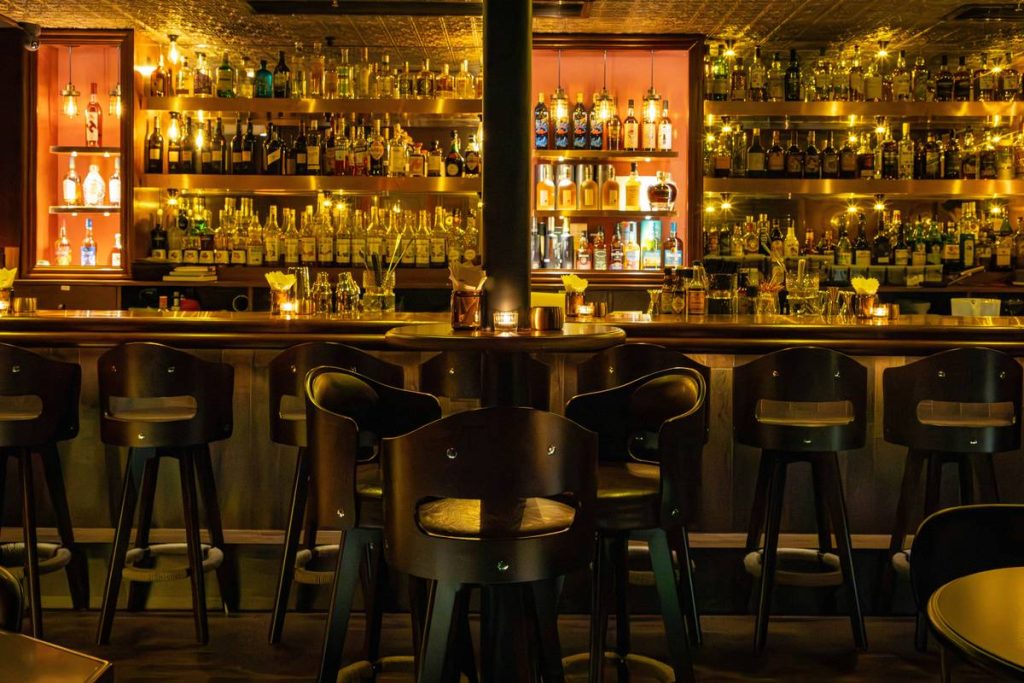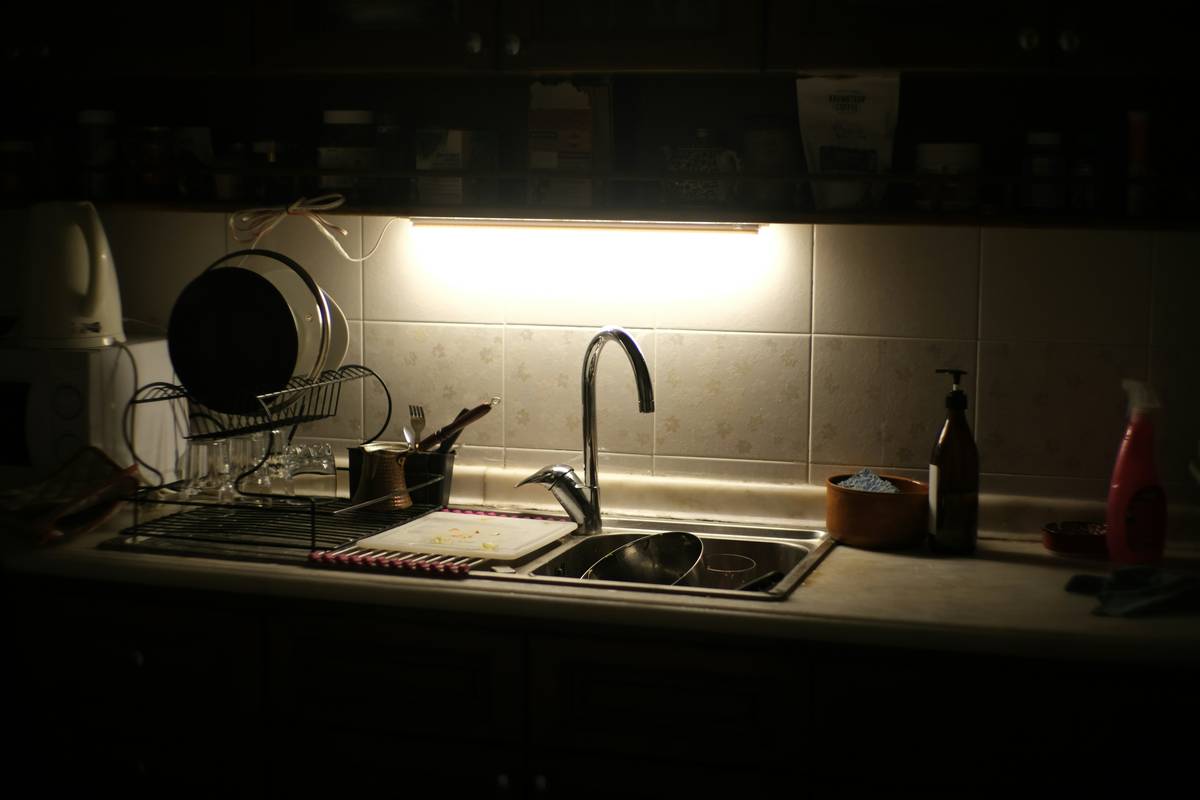
Ever hosted a cocktail night only to realize your bar looks like a hospital break room? Harsh overhead lights killing the mood, shadows hiding your fancy glassware, and zero ambiance—just fluorescent despair. Yeah, we’ve been there. In fact, I once installed cheap strip lighting under my bar shelf that buzzed like an angry hornet and flickered every time the fridge kicked on. Total vibe sabotage.
If you’re serious about transforming your home bar from “meh” to magnetic, LED dimmable light bars are your secret weapon. Not just any lights—they’re precision tools that blend function, aesthetics, and atmosphere. In this guide, you’ll learn:
- Why standard lighting fails in bar settings (and how dimmables solve it)
- Step-by-step installation tips—even for non-wiring wizards
- Real-world examples from pro bar builds (including wattage, color temp, and placement hacks)
- What to avoid (yes, some “dimmable” LEDs aren’t actually dimmable—more on that disaster below)
Table of Contents
- Why Does Bar Lighting Even Matter?
- How to Install a LED Dimmable Light Bar Like a Pro
- 7 Best Practices for Flawless Bar Ambiance
- Real Home Bars That Nailed It (With Product Specs)
- FAQs About LED Dimmable Light Bars
Key Takeaways
- LED dimmable light bars offer precise control over brightness and mood—critical for hospitality zones.
- Always verify compatibility between your light bar, dimmer switch, and driver (incompatibility = flickering hell).
- 2700K–3000K color temperature mimics candlelight or sunset—perfect for bars.
- Under-shelf mounting at a 15° downward angle eliminates glare and highlights glassware.
- Look for UL-listed, IP44-rated fixtures for safety and minimal moisture resistance.
Why Does Bar Lighting Even Matter?
Your home bar isn’t just storage for bottles—it’s a stage. And stages need lighting that directs attention, creates intimacy, and flatters everything (especially your mixology skills). According to the Illuminating Engineering Society (IES), task lighting in hospitality zones should provide 100–300 lux on surfaces, with ambient levels around 50 lux to maintain contrast without eye strain.
Standard ceiling fixtures blast light everywhere—flooding countertops while leaving shelves in shadow. Worse, non-dimmable LEDs often render colors poorly (low CRI <80), making whiskey look muddy and garnishes dull. A quality LED dimmable light bar, however, delivers high CRI (>90), smooth dimming down to 1%, and directional beam control.
Grumpy You: “Ugh, do I really need another gadget?”
Optimist You: “It’s not a gadget—it’s mood architecture. And yes, you do.”
How to Install a LED Dimmable Light Bar Like a Pro
You don’t need an electrician—but you do need the right parts. Here’s how I installed one in my own basement bar (without burning the house down).
Step 1: Choose the Right Fixture
Pick a **hardwired** or **plug-in** LED light bar rated for indoor use. Must-haves:
– Dimmable via TRIAC or 0–10V (match to your dimmer)
– CRI ≥90 (for true color rendering)
– Color temperature: 2700K (warm white) to 3000K (soft white)
– UL Listed + IP44 rating (splash-resistant for spills)
Step 2: Verify Dimmer Compatibility
This is where 80% of DIYers fail. Not all “dimmable” LEDs work with all dimmers. Use the manufacturer’s compatibility chart (e.g., Lutron’s LED Compatibility Tool). I once used a generic dimmer with a non-matching driver—result? Lights that pulsed like a rave gone wrong until 2 a.m.
Step 3: Mount Under the Bar Shelf
Position the light bar 1–2 inches back from the front edge, angled slightly downward (some models include tilt brackets). This creates a soft wash on the countertop without casting glare into guests’ eyes. Secure with included clips or adhesive backing—but test placement with painter’s tape first!
Step 4: Wire It Safely
For hardwired units: turn off power at the breaker, connect to a dedicated circuit if possible, and use wire nuts rated for low-voltage DC. For plug-in versions: route the cord discreetly along cabinet backs using cable clips. Never daisy-chain multiple bars unless the driver supports it.
7 Best Practices for Flawless Bar Ambiance
- Avoid cool white (4000K+)—it feels clinical, not cozy.
- Layer your lighting: Combine under-bar LEDs with accent lights inside glass cabinets and a subtle pendant above for depth.
- Use diffusers: Aluminum channels with frosted covers eliminate LED hotspots.
- Go 12V or 24V DC: Lower voltage = safer, less heat, better dimming performance.
- Install a smart dimmer (like Lutron Caséta) to preset scenes—”Cocktail Hour” vs. “Late-Night Whiskey.”
- Never skip the driver specs: Constant current vs. constant voltage matters!
- Clean regularly: Dust on LEDs reduces output by up to 15% over time (per DOE studies).
Real Home Bars That Nailed It (With Product Specs)
Case Study 1: Urban Loft Bar (Chicago)
Used Diode LED Ultra-Thin Light Bar (24V, 2700K, CRI 95) mounted under a walnut shelf. Paired with Lutron PD-6WCL dimmer. Result? Warm, museum-quality illumination that makes bourbon bottles gleam. Client reported guests constantly complimenting “the lighting”—not the $200 bottle of scotch.
Case Study 2: Basement Man Cave (Austin)
Installed Philips Hue Lightstrip Plus (RGBWW, dimmable via app) behind the bar back panel for color-changing effects during game nights—but defaults to 2200K for drinks. Smart integration with Alexa allows voice control: “Alexa, set bar to ‘Old Fashioned mode.’”
Grumpy You: “RGB? Isn’t that tacky?”
Optimist You: “Only if you leave it on disco purple. Set it to amber, and suddenly you’re in a 1920s speakeasy.”
FAQs About LED Dimmable Light Bars
Are all LED light bars dimmable?
No. Only those specifically labeled “dimmable” and paired with a compatible dimmer/driver. Non-dimmable LEDs may flicker, buzz, or fail prematurely if forced to dim.
What’s the best color temperature for a home bar?
2700K to 3000K. This range mimics incandescent warmth and enhances amber liquids (whiskey, rum) without washing out citrus or herbs. Cooler temps (3500K+) feel sterile.
Can I cut LED light bars to fit?
Only if marked with cut lines (usually every 2–4 inches). Cutting elsewhere damages circuits. Always power off before modifying.
Do I need an electrician?
For plug-in models: no. For hardwired installations: recommended if you’re unfamiliar with AC/DC wiring or local codes. Safety first!
How long do they last?
Quality LED dimmable light bars last 25,000–50,000 hours (per U.S. Department of Energy). That’s 15–30 years at 4 hours/day.
Conclusion
A LED dimmable light bar isn’t just lighting—it’s emotional engineering. Done right, it turns your home bar into a destination: inviting, flattering, and effortlessly functional. Avoid compatibility traps, prioritize CRI and color temperature, and mount with intention. Your future self—sipping a perfectly lit Manhattan—will thank you.
Like a Tamagotchi, your bar ambiance needs daily care… but unlike a Tamagotchi, it won’t die if you forget to feed it. Probably.
Glass clinks,
Shadows dance on oak,
Mood set by diodes.