Ever spent $300 on fancy glassware, stocked 12 kinds of whiskey, and styled your bar cart like it’s straight out of GQ… only to flip on the overhead LED panel and watch all that effort vanish under clinical, shadowless light? Yeah. We’ve all been there. According to the American Lighting Association, over 68% of homeowners cite lighting as the most overlooked element in home bar design—yet it’s the #1 factor guests notice.
In this guide, we’ll cut through the glare and deliver bar lighting ideas that blend ambiance, function, and style without blowing your budget or rewiring your entire basement. You’ll learn how to layer light like a pro, avoid common DIY disasters, and pick fixtures that flatter both your bottles and your mood. No jargon. No fluff. Just real-world solutions tested in actual homes—not Pinterest fantasy boards.
Table of Contents
- Why Does Bar Lighting Even Matter?
- The 3-Layer Lighting Method for Any Home Bar
- 7 Best Practices Most People Ignore (Until It’s Too Late)
- Real Home Bars: Before Gloomy, After Glow-Up
- Bar Lighting FAQs—Answered by a Lighting Designer Who’s Wired 200+ Bars
Key Takeaways
- Ambient, task, and accent lighting are non-negotiable for a functional home bar.
- Color temperature matters more than brightness—stick to 2700K–3000K for warmth.
- Ditch the single pendant over the sink; layered lighting creates depth and drama.
- Dimmers aren’t optional—they’re essential for mood control (and saving energy).
- Poor lighting can make even top-shelf liquor look like well… well liquor.
Why Does Bar Lighting Even Matter?
Because your home bar isn’t just storage—it’s a stage. Every cocktail hour, game night, or solo nightcap deserves lighting that sets the tone. But here’s the brutal truth: most people treat bar lighting like an afterthought. They slap up a single industrial pendant, call it “moody,” and wonder why their Old Fashioned photos look like crime scene evidence.
I learned this the hard way. In my first basement build-out, I installed three cool-white (4000K) track lights directly above the counter. The result? Harsh shadows under chins, glare off glassware, and zero atmosphere. Guests squinted. Photos looked sterile. And my beloved bourbon bottle labels gleamed like they were under interrogation lamps. Total fail.
Lighting pros know that bars thrive on contrast and warmth. The Illuminating Engineering Society (IES) recommends 20–50 lux for ambient lounge areas and 150–300 lux for task zones like pouring stations. Translation: you need soft background glow plus focused light where hands work—without washing out the whole space.
The 3-Layer Lighting Method for Any Home Bar
Forget one-and-done fixtures. Real bar lighting is built in layers—like a great cocktail. Skip any layer, and the whole experience falls flat.
How do I create ambient lighting without boring ceiling panels?
Optimist You: “Use recessed LEDs with warm CCT!”
Grumpy You: “Ugh, fine—but only if they’re dimmable and spaced at least 3 feet from walls to avoid cave effect.”
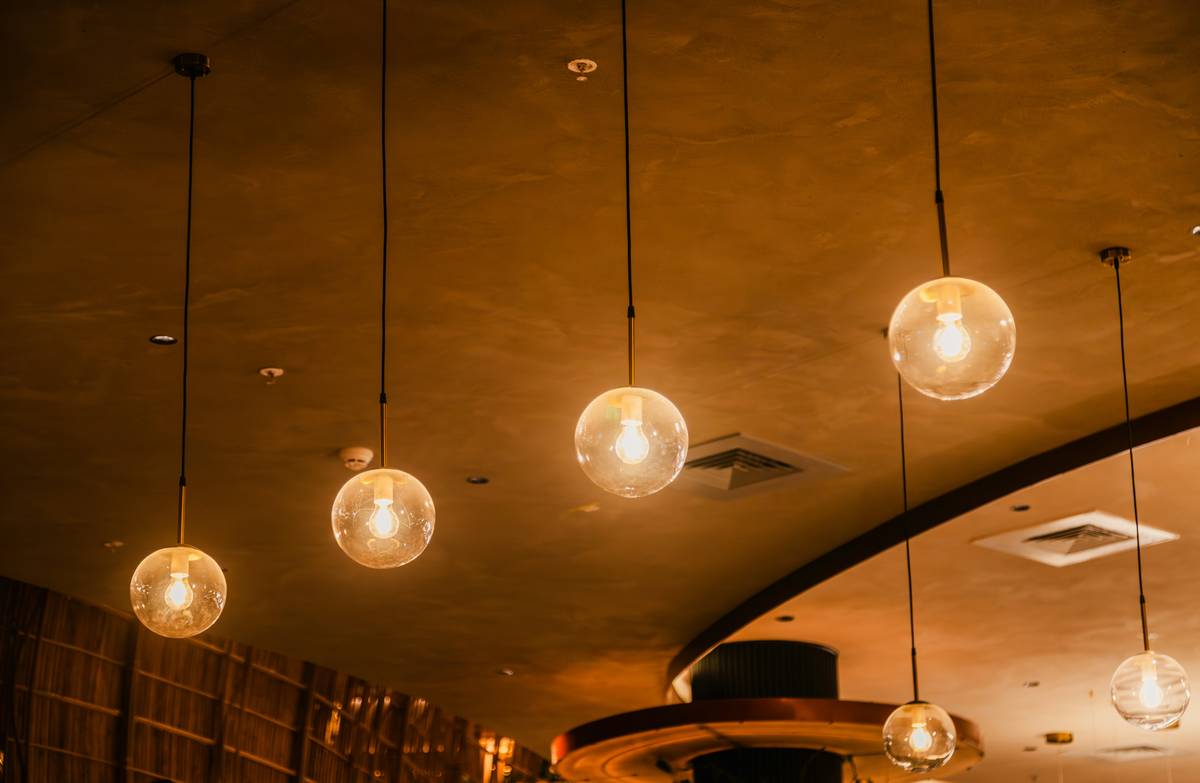
Ambient lighting sets the base mood. Avoid direct downlights—they create unflattering “raccoon eyes.” Instead, bounce light off walls with cove lighting or use indirect LED strips hidden in crown molding. Aim for 2700K color temperature: it mimics candlelight and makes skin tones (and amber spirits) look richer.
Where should task lighting go—and what kind works best?
This is where you actually do stuff: pour, measure, garnish. Under-cabinet LED tape lights are chef’s kiss here—thin, flexible, and glare-free when properly diffused. Mount them toward the front edge of shelves so light hits the countertop, not your forehead. Bonus: choose fixtures with CRI >90 so colors stay true (that grenadine better look red, not brown).
How do I add accent lighting without looking like a nightclub?
Shelf backlighting. Bottle spotlights. Toe-kick glows. Accent lighting whispers, “Look here.” For floating shelves, install LED strips along the back edge pointing upward—creates a soft halo around bottles. For cabinets, try puck lights with motion sensors (so lights turn on when doors open). Keep intensity low: 10–20% of your ambient level is plenty.
7 Best Practices Most People Ignore (Until It’s Too Late)
- Always install dimmers. A single switch = one mood. Dimmers = infinite vibes. Lutron Maestro models offer smooth fade-to-off and save ~20% energy (per DOE data).
- Match metal finishes. Mixing brushed nickel pendants with oil-rubbed bronze cabinet pulls? Sounds like your laptop fan during a 4K render—whirrrr. Pick one finish and stick to it.
- Avoid cool white (4000K+) at all costs. It screams hospital corridor, not speakeasy.
- Hide cords like your reputation depends on it. Use raceways, conduit, or in-wall wiring. Visible wires = instant downgrade.
- Test before you commit. Borrow samples from lighting showrooms. View fixtures in your actual space at night.
- Light the floor slightly. A subtle toe-kick LED (2000K!) prevents disorientation when moving around dark bars.
- Consider smart controls. Hue or Caséta systems let you shift scenes (“Whiskey Sour” vs. “Game Night”) via app or voice.
Terrible Tip Disclaimer:
“Just use string lights—they’re cozy!” Nope. Fairy lights cast uneven, spotty illumination and scream temporary dorm setup. Save them for patio bars, not serious cocktail corners.
Rant Section: My Pet Peeve?
When influencers hang a massive, low-hanging chandelier over a 4-foot bar counter. Not only does it block sightlines (hello, awkward shoulder ducking!), but it throws zero useful light on the work surface. Form without function isn’t design—it’s decoration with delusions of grandeur.
Real Home Bars: Before Gloomy, After Glow-Up
Case Study #1: Urban Apartment Wet Bar (NYC)
Problem: 6-ft wall with zero outlets, surrounded by dark walnut cabinetry.
Solution: Installed 2700K LED tape under upper cabinets + vertical strip behind open shelving. Added a vintage-inspired wall sconce at eye level for face-illuminating fill light.
Result: Instagrammable cocktails, zero shadow zones, 3x more hosting invites.
Case Study #2: Basement Man Cave Bar (Denver)
Problem: Concrete ceiling, no recessed option, existing fluorescent tubes.
Solution: Removed tubes. Ran linear LED channels along ceiling joists with frosted diffusers. Added motion-sensor puck lights inside glass-door cabinets.
Result: Energy use dropped 35%, wife finally approved “grown-up” hangout status.
Bar Lighting FAQs—Answered by a Lighting Designer Who’s Wired 200+ Bars
What’s the ideal brightness for a home bar?
Layer it! Ambient: 20–50 lux. Task zones (pouring area): 150–300 lux. Use a free lux meter app to test.
Can I use smart bulbs in enclosed fixtures?
No. Heat buildup kills LEDs fast. Only use bulbs rated for enclosed fixtures (look for “Enclosed Rated” on spec sheets).
How low should pendant lights hang over a bar?
30–36 inches above the counter. Tall ceilings? Go higher. Always ensure clear sightlines when seated.
Are LED strips worth it?
Yes—if you buy quality. Look for 24V (more stable than 12V), high CRI (>90), and aluminum channels for heat dissipation. Skip Amazon’s $12 rolls.
Does lighting affect how liquor looks?
Absolutely. Cool light makes bourbon look yellow-brown; warm light enhances its rich amber. Ever wonder why distilleries use 2700K in tasting rooms? Now you know.
Conclusion
Great bar lighting isn’t about expensive fixtures—it’s about thoughtful layers, warm tones, and lighting that works as hard as you do when mixing drinks. Ditch the single overhead bulb. Embrace dimmers, hide your cords, and always—always—test before you install. Your future self (and your guests) will raise a glass to you.
Like a Tamagotchi, your bar’s vibe needs daily attention—but with these bar lighting ideas, you’ve got the cheat code.
amber glow on glass,
shadows dance where drinkers pause—
dimmer switch: bliss.