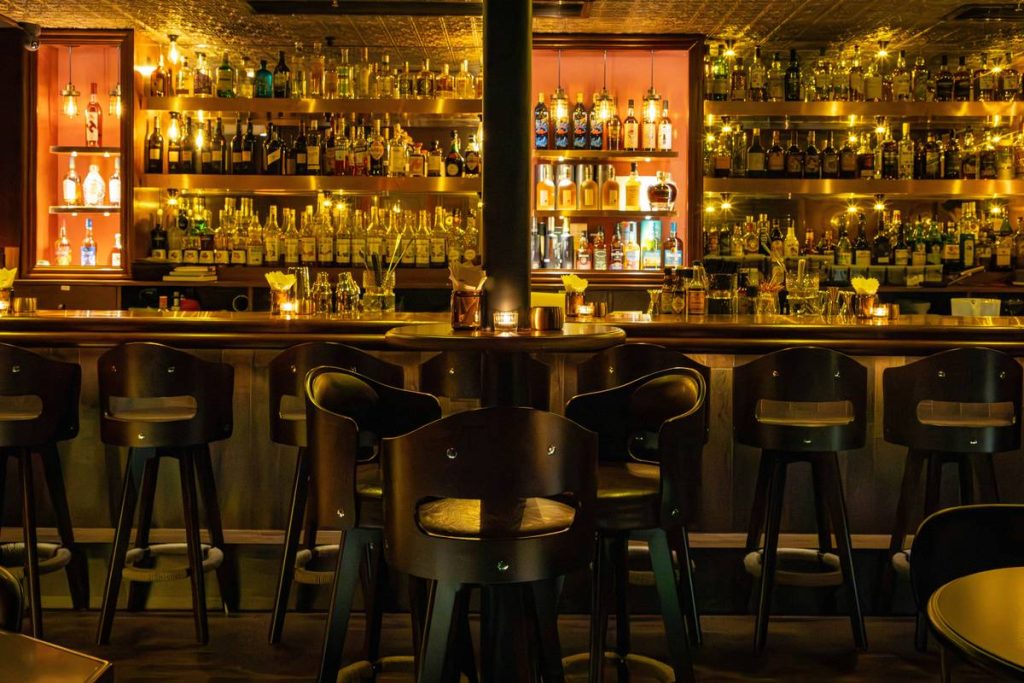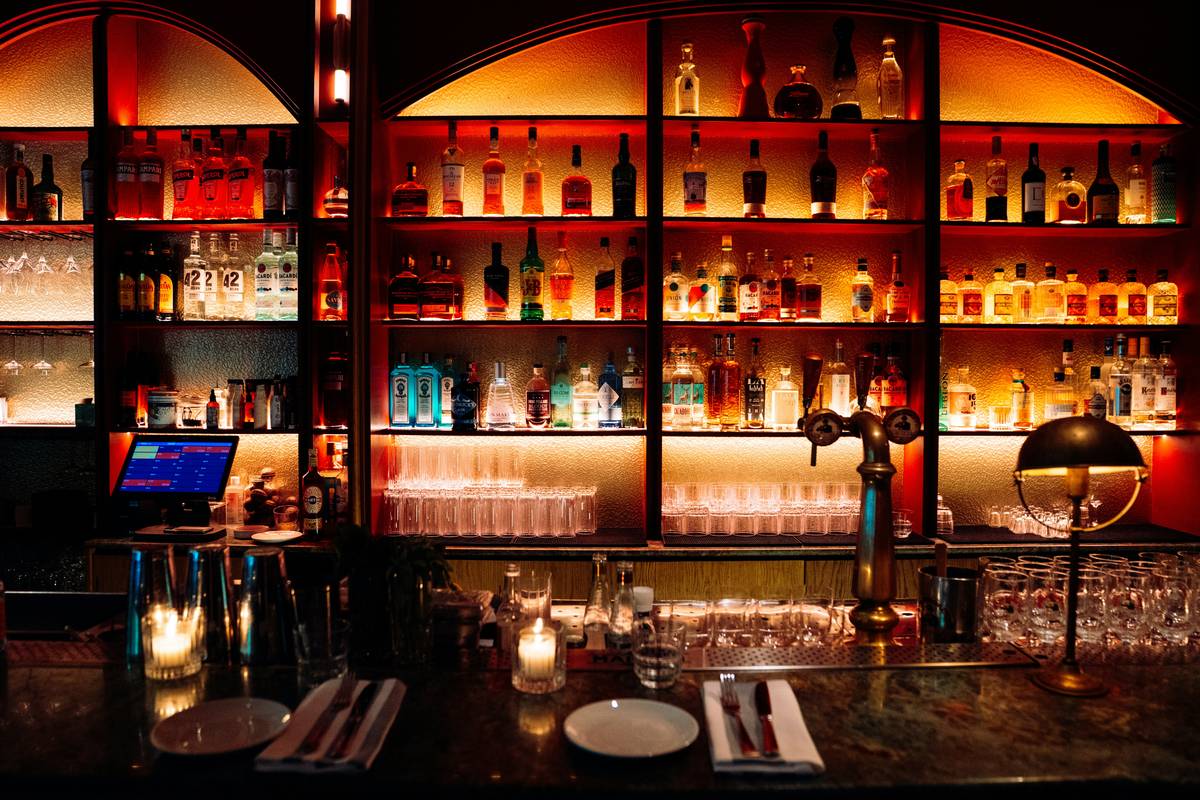
Ever walked into your home bar and thought, “This should feel like a speakeasy—but it looks like a dentist’s waiting room?” You’re not alone. I once installed a set of harsh 5000K LED strips under my bar counter thinking “bright = professional.” Big mistake. My whiskey tasted fine, but the vibe? Like I was getting cavity filled mid-sip.
If you’re serious about elevating your at-home cocktail experience, lighting isn’t an afterthought—it’s the secret sauce. And nothing transforms ambiance faster than a dimmable light bar. In this guide, we’ll cut through the flickering confusion and show you exactly how to choose, install, and master dimmable bar lighting that actually works—without melting your budget or your wiring.
You’ll learn:
- Why fixed-brightness bars kill mood (and what pros do instead)
- How to pick the right color temperature, brightness, and dimming tech
- Step-by-step installation tips—even if you’ve never touched a wire
- Real-world examples from DIYers and designers who nailed it
Table of Contents
- Why Can’t You Just Use Regular Under-Cabinet Lighting?
- How to Choose the Right Dimmable Light Bar for Your Home Bar
- 7 Pro Tips Most DIY Guides Won’t Tell You
- Real Home Bars That Nailed Dimmable Lighting
- FAQs About Dimmable Light Bars
Key Takeaways
- A dimmable light bar lets you shift from prep-mode (bright, cool) to lounge-mode (soft, warm)—critical for functional + atmospheric bars.
- Not all dimmers are compatible with LED bars—look for “trailing-edge” or “ELV-compatible” drivers to avoid flicker.
- 2700K–3000K is the goldilocks zone for bar lighting; avoid anything above 3500K unless you’re running a lab.
- Wattage per foot matters: aim for 2–4 watts/linear foot for task lighting, 1–2 for accent.
- Hardwired > plug-in for clean aesthetics, but smart plug options now rival pro installs.
Why Can’t You Just Use Regular Under-Cabinet Lighting?
Most homeowners slap on basic LED tape or puck lights and call it a day. But here’s the problem: your bar serves dual purposes. By day, you need crisp light to slice limes, read recipes, and spot that rogue olive pit. By night? You want shadows, warmth, and intimacy—the kind that makes guests linger past midnight.
Fixed-brightness lighting fails both roles. Too bright at night = clinical and unwelcoming. Too dim during prep = fumbling with citrus juicers and spilling bitters like a rookie.
Enter the dimmable light bar: a single solution that adapts to your moment. According to the U.S. Department of Energy, dimming LEDs by just 25% can extend lifespan by up to 20% while cutting energy use. But beyond efficiency, it’s about psychology—studies in environmental psychology confirm that warmer, lower-intensity lighting increases perceived comfort and social engagement in hospitality settings.
How to Choose the Right Dimmable Light Bar for Your Home Bar
Picking a dimmable light bar isn’t just about slapping “dimmable” on your Amazon cart. Compatibility and quality make or break your install.
What Color Temperature Should You Use?
Forget “daylight white.” For bars, stick between 2700K (warm candlelight) and 3000K (soft amber). Anything higher feels sterile. I learned this the hard way—my first bar used 4000K LEDs. Guests kept asking if I offered teeth whitening services.
How Bright Should It Be?
Aim for 200–400 lumens per linear foot. That’s roughly 2–4 watts/ft for quality LEDs. Less than 200? You’ll strain your eyes chopping mint. More than 500? Hello, interrogation room.
Dimming Tech: Not All Dimmers Play Nice
Here’s where most DIYers crash and burn. Standard wall dimmers (often “leading-edge”) cause LED bars to flicker, buzz, or refuse to turn on. You need:
- Trailing-edge (ELV) dimmers for low-voltage LED bars (most common)
- 0–10V or DALI systems for commercial-grade control (overkill for homes)
- Smart systems like Lutron Caséta or Philips Hue for app control + scenes
Optimist You: “Just match the dimmer and driver specs!”
Grumpy You: “Ugh, fine—but only if I get to test it with a Negroni first.”
7 Pro Tips Most DIY Guides Won’t Tell You
- Hide the diffuser seam. Cheap LED bars show visible “hot spots” where individual diodes shine through. Opt for aluminum-channel-mounted bars with frosted PC diffusers—they create seamless glow.
- Wire from the center, not the end. For runs over 8 feet, power from the middle to prevent voltage drop (dim ends = sad bar).
- Avoid RGB for primary lighting. Colored LEDs scream “2003 nightclub.” Save them for toe-kick accents, not your main bar surface.
- Use a timer or smart scene. Set your bar to auto-dim at 7 PM—no manual fiddling when guests arrive.
- Match metal finishes. Brushed nickel bar? Don’t pair with chrome end caps. Details whisper luxury.
- Test before you commit. Buy a 12-inch sample strip. Live with it for 48 hours under real conditions.
- Ground your driver. Safety first—ungrounded low-voltage systems can still pose fire risks if poorly installed (per NFPA 70 guidelines).
⚠️ Terrible Tip Alert
“Just use a cheap plug-in dimmer from Amazon!” Nope. Those $12 “universal” dimmers often lack smooth range and cause audible coil whine. Spend $50 on a Lutron Diva DVCL-153P or Leviton D26HD—your ears (and eyes) will thank you.
Rant Corner: My Pet Peeve
Why do so many blogs push “industrial pipe bar lighting” with exposed Edison bulbs? Those things cast more shadow than light and run hotter than a summer patio. A dimmable LED bar gives you precision, efficiency, and mood—all without burning down your liquor cabinet.
Real Home Bars That Nailed Dimmable Lighting
Case Study #1: The Urban Loft (Chicago, IL)
Homeowner Maria retrofitted her 10-foot walnut bar with a 24V dimmable light bar (3000K, 3W/ft) paired with a Lutron Caséta system. Result? She toggles between 100% brightness for cocktail classes and 20% for late-night mezcal tastings. “My friends say it feels like The Aviary—but in sweatpants,” she told me.
Case Study #2: The Suburban Entertainer (Austin, TX)
Dave went hardwire with an aluminum-channel-mounted bar under his quartz countertop. Used a trailing-edge dimmer and added motion sensing—lights fade up when he walks in at 2 AM for water. Zero wasted energy, maximum ambiance.
FAQs About Dimmable Light Bars
Can I retrofit my existing non-dimmable LED bar?
Only if the driver and LEDs support dimming—which most don’t. Better to replace the whole assembly. Look for bars labeled “dimmable with ELV/MLV/0-10V” on spec sheets.
Do dimmable light bars work with smart home systems?
Yes—if they’re designed for it. Brands like Govee, Nanoleaf, and Philips Hue offer Wi-Fi or Zigbee-enabled options. Hardwired bars need smart switches (e.g., Lutron) rather than smart bulbs.
How long do dimmable LED bars last?
Quality units last 30,000–50,000 hours (per DesignLights Consortium data). Dimming extends life—running at 50% brightness can double usable lifespan.
Can I install one myself?
For plug-in models: yes. For hardwired 120V→low-voltage setups: only if you’re comfortable with junction boxes and transformers. When in doubt, hire an electrician—safety > savings.
Conclusion
A dimmable light bar isn’t just a lighting upgrade—it’s a mood architect. It turns your home bar from “meh” to magnetic by adapting to your needs in real time. Whether you’re muddling mojitos at noon or sipping old-fashioneds at midnight, the right dimmable setup delivers both function and feeling.
Remember: prioritize color temperature (2700K–3000K), verify dimmer compatibility, and never skip the diffuser. Do that, and your bar won’t just look pro—it’ll feel like the soul of your home.
Now go pour yourself something strong. You’ve earned it.
Like a Tamagotchi, your bar lighting needs daily care—except instead of feeding, you just tap a button to dim.
Haiku:
Warm glow beneath wood,
Whiskey gleams in amber hue—
Dimmer finds the mood.