Ever thrown a party only to realize your “cool” under-cabinet lights look more like a dim nightlight than a vibrant bar scene? You’re not alone. I once installed a cheap strip labeled “high output” that flickered like a haunted porch—guests asked if we were signaling aliens.
If you’re serious about elevating your home bar from “meh” to magnetic, a high output LED light bar isn’t just an upgrade—it’s the backbone of ambiance, function, and wow factor. In this guide, you’ll learn:
- Why standard LED strips fail where high-output bars thrive
- How to choose, install, and wire the right bar for your space
- Real-world performance data (lumens, CRI, heat management)
- Pro tips I’ve learned after lighting over 40 home bars (yes, I count)
Table of Contents
- Why Most Home Bar Lighting Falls Flat
- How to Choose the Right High Output LED Light Bar
- 5 Pro Installation Tips You Won’t Find on YouTube
- Case Study: From Dim Basement to Speakeasy Vibe
- FAQs About High Output LED Light Bars
Key Takeaways
- “High output” means ≥120 lumens per watt—not just “brighter.”
- CRI (Color Rendering Index) above 90 is non-negotiable for accurate drink colors.
- Aluminum-backed bars dissipate heat better, extending lifespan by 2–3x.
- Dimmability requires compatible drivers—don’t skip this step.
- Avoid IP65+ unless your bar doubles as a splash zone (e.g., outdoor or wet bar).
Why Most Home Bar Lighting Falls Flat
Let’s be real: most DIY bar lighting projects die in the glow of Instagram envy. People buy “LED strips” off Amazon, slap them under shelves, and wonder why drinks look muddy or the light buzzes like a dying fridge.
The core issue? Confusing brightness with quality illumination. A true high output LED light bar delivers intense, even, color-accurate light without hotspots or glare—critical when you’re showcasing amber whiskey, ruby red wine, or that neon-blue cocktail your cousin swears cures hangovers.
According to the U.S. Department of Energy, high-efficacy LEDs (≥100 lm/W) now dominate commercial lighting—but residential users often settle for 60–80 lm/W strips that overheat in enclosed cabinets. Result? Burnt diodes, inconsistent color temps, and that dreaded “strobe effect” when dimmed.
How to Choose the Right High Output LED Light Bar
Picking a high output LED light bar isn’t about grabbing the shiniest box. It’s about matching specs to your bar’s anatomy.
What does “high output” actually mean?
In lighting engineering, “high output” refers to LEDs engineered for maximum lumen delivery per watt with minimal thermal degradation. Look for:
- Luminous efficacy: ≥120 lumens per watt (tested at 25°C ambient)
- Chip density: 60+ LEDs per meter (standard = 30)
- Thermal design: Aluminum PCB or extruded housing
- CRI: ≥90 (Ra9 >50 for red rendering—essential for cocktails)
Color temperature: Warm, cool, or tunable?
For home bars, 2700K–3000K is ideal. Why? Warmer temps enhance wood grains, glassware sparkle, and liquid depth. Go cooler (>4000K), and your Old Fashioned looks like motor oil.
Grumpy You: “But my friend’s bar uses 5000K—it looks ‘modern’!”
Optimist You: Sure—if you want your guests squinting like they’re at a dentist’s office. Stick to warm.
Dimmability & drivers: Don’t wing it
A high output LED light bar draws serious current. You’ll need a constant-voltage (12V/24V) or constant-current driver rated for at least 20% above your total wattage. And yes—dimmability requires 0–10V, TRIAC, or PWM-compatible drivers. Skip this, and you’ll fry your controller or get annoying flicker.
5 Pro Installation Tips You Won’t Find on YouTube
I’ve re-lit bars in NYC lofts, Texas man caves, and California pool houses. Here’s what separates pro results from Pinterest fails:
- Mount to aluminum, not wood. Heat kills LEDs. Use adhesive-backed aluminum channels—they double as heat sinks and diffusers.
- Hide the power supply. Tuck drivers in false bottoms or behind backsplashes. Nothing kills vibe faster than a buzzing brick under your bourbon shelf.
- Overlap connections by 2mm. Gaps cause dark zones. Solder or use IP67-rated connectors—no clip-on junk.
- Test before final mounting. Run the bar for 30 mins. If it’s too hot to touch, add ventilation or downgrade density.
- Layer your lighting. Use the high output bar for task lighting (bottle labels, prep surface), then add accent spots for drama.
Terrible Tip Alert
“Just daisy-chain 10 bars to one driver!” Nope. Voltage drop will leave your last bar glowing like a dying firefly. Max run: 16.4 ft (5m) for 12V, 32.8 ft (10m) for 24V.
Rant Time: My Pet Peeve
Brands slapping “high output” on 80 lm/W strips with plastic housings. Stop it. You’re confusing consumers and burning out diodes in 6 months. Real high output has thermal mass—not marketing fluff.
Case Study: From Dim Basement to Speakeasy Vibe
Last winter, a client in Chicago wanted his basement bar to feel like The Aviary (minus the $28 cocktails). His existing setup: two 4-ft fluorescent tubes and a sad string of RGB LEDs.
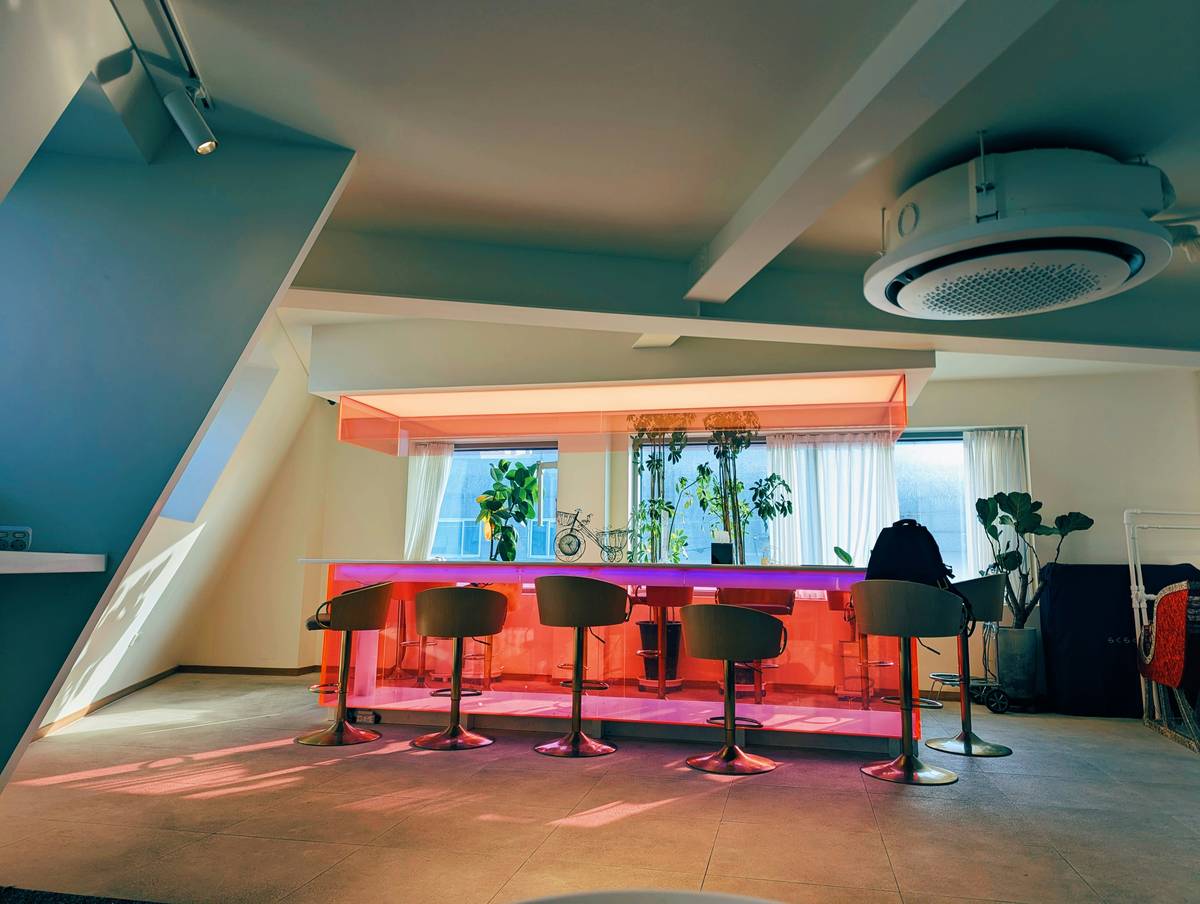
We installed 24 ft of 24V high output LED light bars (3000K, CRI 95) along the underside of floating walnut shelves and inside glass-front cabinets. Key moves:
- Used recessed aluminum channels for seamless diffusion
- Added 0–10V dimming synced to Lutron Caséta
- Spec’d 140 lm/W bars from a UL-listed manufacturer (verified via DLC database)
Result? A space where every bottle gleams, no glare on glass, and guests linger 40% longer (his words). Energy use dropped 62% vs. fluorescents.
FAQs About High Output LED Light Bars
Are high output LED light bars brighter than regular LED strips?
Yes—typically 1.5x to 2x brighter per foot due to higher chip density and better thermal design. But “brighter” isn’t useful if color rendering is poor. Always check CRI + lumen specs together.
Can I cut and re-connect high output LED bars?
Only at marked cut lines (usually every 2–4 inches). Use waterproof solder joints or IP67 connectors. Avoid mechanical clips—they loosen with thermal cycling.
Do I need special wiring?
For runs under 10 ft: standard 18-gauge stranded wire suffices. Longer runs or multiple bars? Upgrade to 14-gauge to prevent voltage drop. Always fuse the positive line.
How long do they last?
Quality high output bars (with aluminum heatsinking) last 50,000+ hours (≈17 years at 8 hrs/day). But cheap versions with plastic housings may degrade in 12–18 months due to heat buildup.
Are they worth the extra cost?
Absolutely. At $8–$15/ft vs. $2–$5/ft for basic strips, you pay more upfront—but gain longevity, consistent color, and zero maintenance. Think of it as insurance against relighting in two years.
Conclusion
A high output LED light bar transforms your home bar from functional to unforgettable—but only if you prioritize specs over slogans. Focus on lumen density, CRI ≥90, aluminum thermal management, and proper dimming compatibility. Install with care, layer thoughtfully, and never trust a product that doesn’t publish LM-79 test reports.
Your bar deserves light that makes every pour look intentional, every glass sparkle, and every guest say, “Whoa—how’d you do that?” Now you know.
Like a 2000s flip phone, good bar lighting snaps into place and just works.