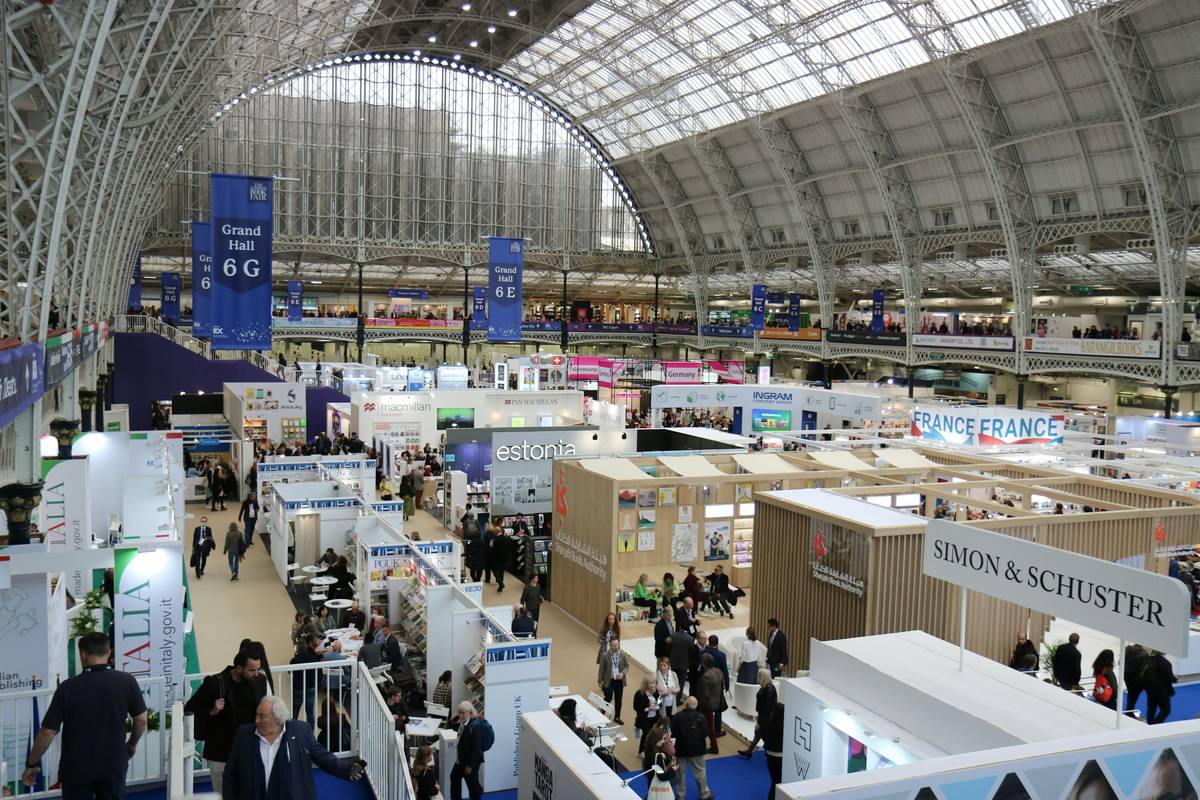
You signed up for the regional comic con. Paid $800 for a prime corner spot. Built custom displays. Then—disaster. A pipe bursts overhead. Water soaks your inventory. Your standard business insurance shrugs it off. That’s the cold truth most vendors learn too late. Convention vendor plan insurance exists precisely because general policies treat pop-up events like afterthoughts—not revenue-critical operations.
Why Standard Business Insurance Fails Vendors at Events
Most BOPs (Business Owner Policies) exclude “temporary locations.” Read the fine print. They assume your risk stays within four walls you control. Conventions? Chaotic, shared spaces with third-party liabilities galore. Slip-and-falls near your booth? Not covered. Theft from an unsecured aisle? Denied. Even fire damage might hinge on whether the venue’s electrical system was “up to code”—a battle you’ll lose without specialized backup.
And don’t count on event organizers. Their liability shield rarely extends to your stock or equipment. You’re on your own.
Your Step-by-Step Guide to Locking Down Coverage
Know What’s Actually Insurable
Convention vendor plan insurance typically covers three buckets: property (inventory, displays), liability (injuries near your booth), and business interruption (if the event cancels last-minute). Forget cyber or auto—that’s separate.
Timing is Everything
Buy coverage before you ship inventory. Some insurers void claims if you purchase after goods leave your warehouse. And notify your carrier about high-theft events (like outdoor festivals)—premiums adjust, but denial risks drop.
Compare Real Costs, Not Just Premiums
Beware of “cheap” quotes with $5,000 deductibles. At a $2k booth investment, that’s pointless. Focus on net cost after deductible + coverage scope.
| Coverage Type | Average Cost (Per Event) | Typical Deductible | Key Exclusions to Watch For |
|---|---|---|---|
| Basic Property Only | $75–$150 | $500–$1,000 | Flood, mysterious disappearance, unattended booth theft |
| Property + General Liability | $150–$300 | $250–$750 | Intentional acts, contractual penalties, pandemics |
| All-in-One (Including Cancellation) | $300–$600+ | $100–$500 | War, civil unrest, organizer bankruptcy |

The Industry Secret: Claims Get Approved Based on Booth Documentation—Not Just Paperwork
Underwriters don’t just check your policy—they reconstruct your booth. Last year, a ceramics vendor had her claim fast-tracked because she’d timestamped photos showing locked display cases during setup. Another got denied despite perfect paperwork: his layout left inventory accessible from two aisles, violating “reasonable care” clauses.
Here’s the reality: your physical setup is part of your underwriting. Secure displays. Visible signage. Locked storage—even if it’s just zip-ties. Document it all. This isn’t paranoia. It’s the difference between a check in 14 days… and a letter saying “insufficient evidence.”
Frequently Asked Questions
Does my homeowners insurance cover my craft fair sales?
No. Home policies explicitly exclude commercial activity—and even casual selling triggers that exclusion fast.
Can I get convention vendor plan insurance for same-day events?
Some carriers offer 24-hour binders, but expect 2x premiums and limited liability coverage. Not ideal for high-value inventory.
Are food vendors treated differently?
Absolutely. Health-code violations often void standard policies. You’ll need additional product liability riders specific to consumables.