You’ve upgraded your vanity, installed frameless mirrors, even splurged on heated floors—but your bathroom still feels flat. Cold. Institutional. Why? Because you ignored ambient lighting. And bar lighting for bathrooms isn’t just decorative; it’s the missing layer that transforms sterile tile into a sanctuary. Here’s how to fix it—right.
Why Standard Bathroom Lighting Fails Miserably
Most homes rely solely on overhead ceiling fixtures or a lone vanity light. Big mistake. These create harsh shadows under eyes, unflattering highlights on skin, and zero depth. You end up squinting at your reflection like you’re in an interrogation room. Bar lighting for bathrooms solves this by wrapping soft, horizontal illumination around your face—mimicking natural daylight from multiple angles. But slapping any old fixture above the mirror won’t cut it. Placement, color temperature, and diffusion matter more than wattage. Get it wrong, and you’ve just added glare to the problem.
How to Install Bar Lighting for Bathrooms That Actually Works
Forget “more light = better.” Precision beats power every time. The goal? Even, shadow-free glow that flatters without overwhelming. Start with these non-negotiables:
Choose the Right Fixture Type
Opt for fully diffused LED bars—no exposed bulbs. Frosted glass or acrylic lenses scatter light evenly. Avoid open designs; they cast hotspots on mirrors. And skip warm white below 2700K—it’ll make your space feel dingy, not cozy.
Nail the Mounting Height
Center the bar 66–72 inches from the floor. Too high? Light misses your face. Too low? You block it while washing hands. Test with a temporary strip light first. Live with it for 48 hours. Adjust before drilling.
Wire It Smartly
Hardwired looks cleanest but demands an electrician if there’s no existing junction box. Plug-in bars with cord covers work surprisingly well—and let you dim via smart plugs. Just tuck the cord behind the mirror frame.
| Installation Method | Upfront Cost | DIY Feasibility | Ambient Quality |
|---|---|---|---|
| Hardwired Recessed Bar | $200–$400 | Low (requires wiring) | Excellent (seamless, shadow-free) |
| Surface-Mount Plug-In Bar | $80–$180 | High (no tools needed) | Very Good (if cord is concealed) |
| Adhesive LED Strip + Diffuser | $40–$100 | Medium (trimming & alignment tricky) | Fair (can look uneven over time) |
The Industry Secret: Layer Your Ambient Light Vertically
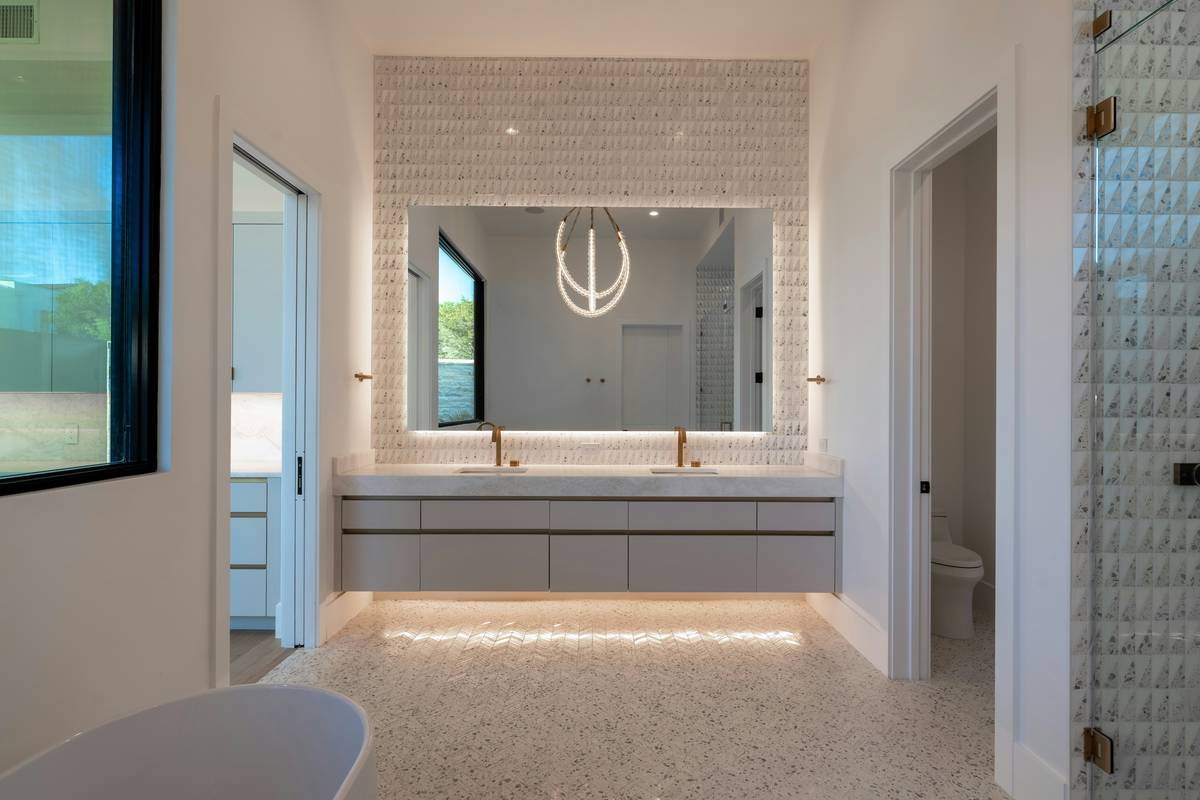
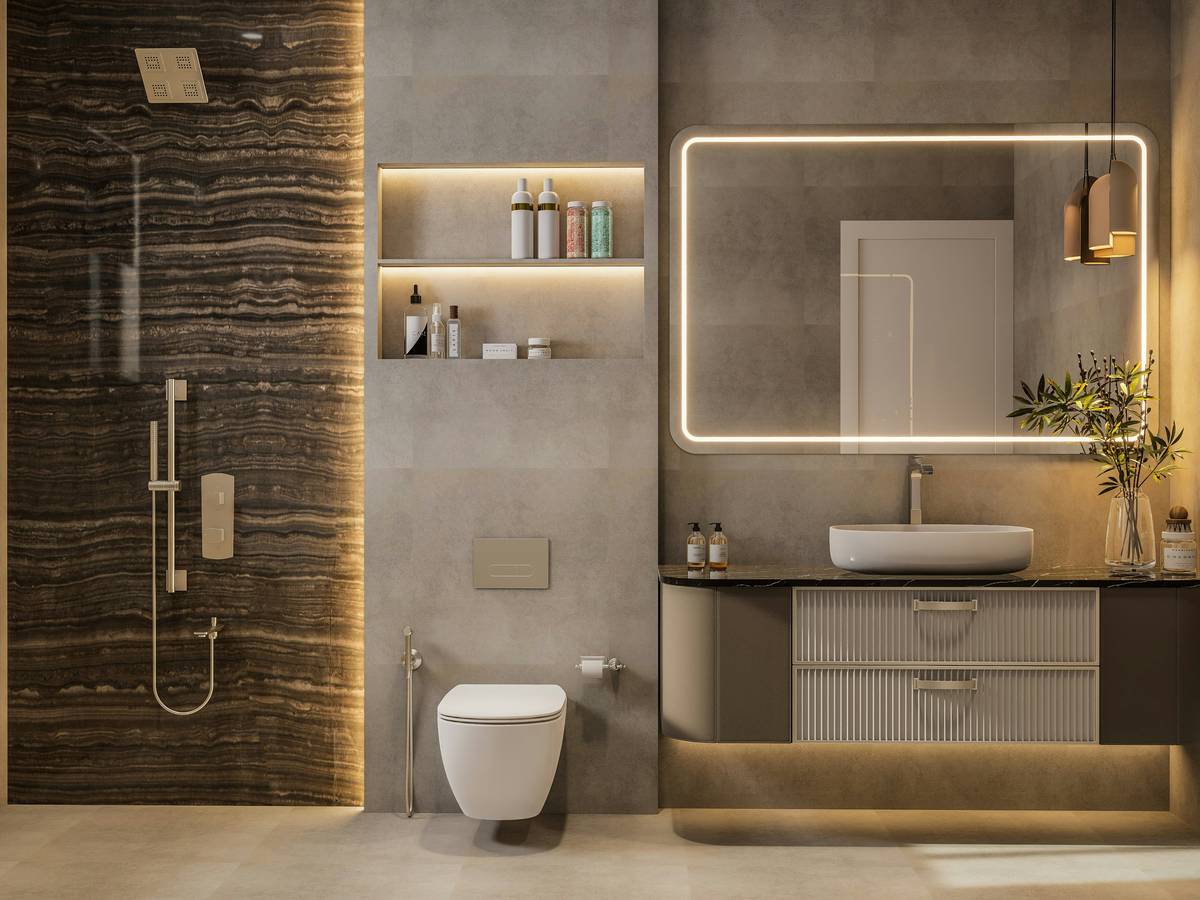
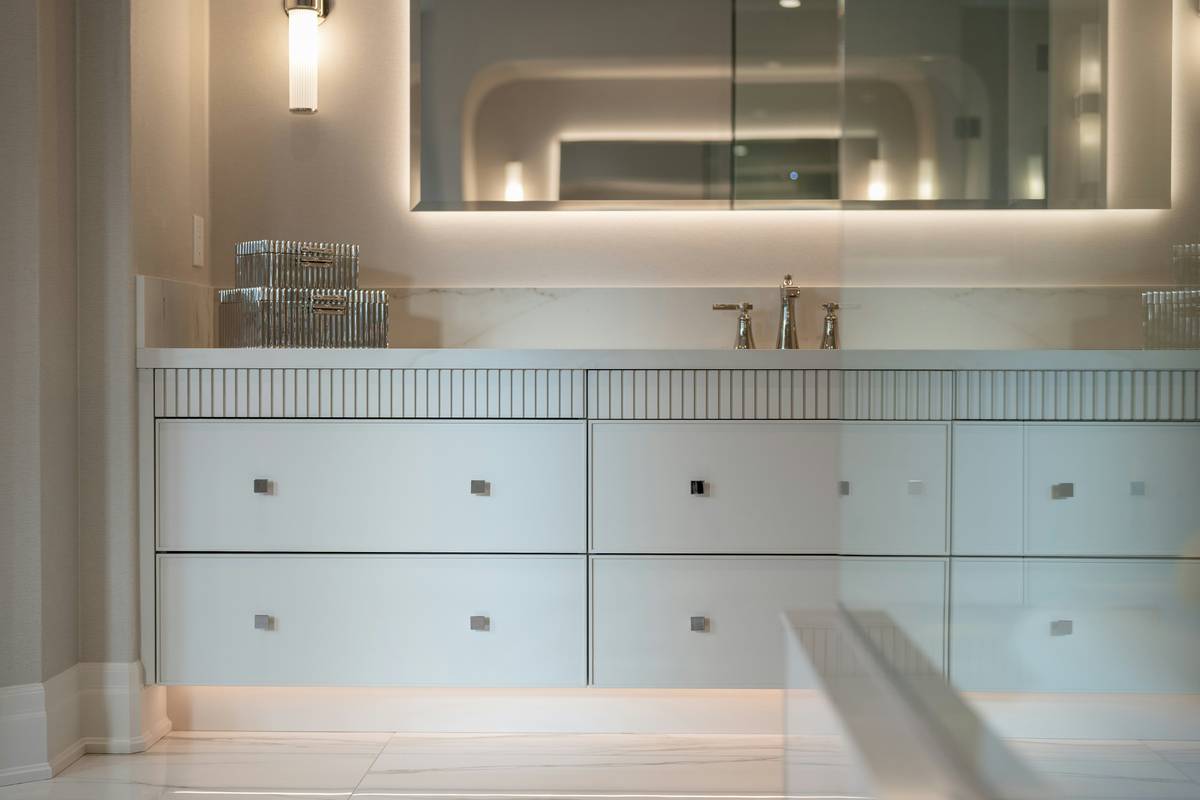
Here’s what electricians won’t tell you unless you ask: bar lighting shouldn’t be your only ambient source. The real magic happens when you combine it with low-level cove lighting near the floor—think toe-kick LEDs under floating vanities. Why? Human vision perceives spaces as brighter when light wraps both top and bottom. A single bar creates a “floating head” effect. Add subtle uplighting from below, and suddenly your bathroom feels expansive, spa-like, and grounded. Bonus: it doubles as nightlight functionality without disturbing sleep cycles. Try it. You’ll never go back.
FAQ
Can I use bar lighting for bathrooms in small powder rooms?
Absolutely—just scale down. A 12–18” bar prevents visual clutter. Keep fixtures shallow (under 3” deep) to avoid crowding tight walls.
What color temperature is best for bar lighting in bathrooms?
2700K to 3000K. Anything cooler (3500K+) adds clinical sterility. Warmer tones enhance skin tones and wood finishes naturally.
Are LED bars bright enough for makeup application?
Yes—if they deliver 75+ CRI (Color Rendering Index). Cheap LEDs distort reds and browns. Always check CRI specs before buying.