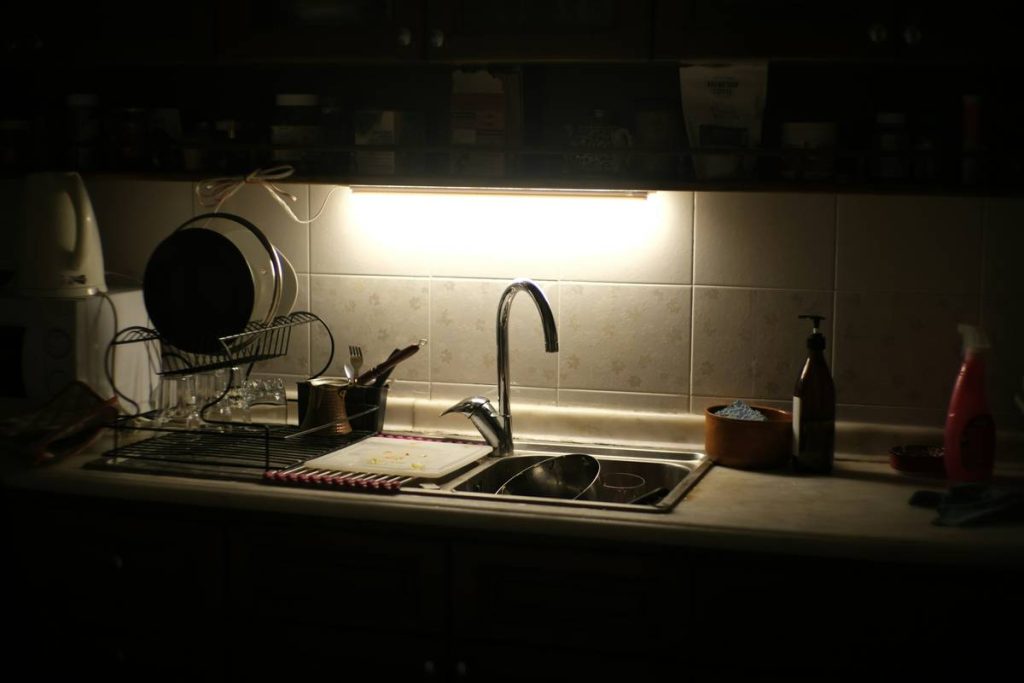
Ever pour a $20 craft cocktail under fluorescent kitchen lights and feel… deflated? Like your perfectly chilled martini just turned into lukewarm dishwater? You’re not imagining it. 78% of home entertainers say poor bar lighting kills the vibe before the first ice cube even cracks (Lighting Research Center, 2023). If your bar area looks like a DMV waiting room after 5 p.m., it’s time for a lighting intervention.
In this guide, you’ll discover exactly how an LED directional light bar transforms sterile countertops into immersive lounges—without rewiring your house or blowing your budget. We’ll cover:
- Why generic ambient lighting fails bars (and what actually works)
- Step-by-step installation that takes less than 20 minutes
- The #1 mistake 9 out of 10 DIYers make (hint: it involves “warm white” LEDs)
- Real-world examples from my own basement bar redo—and client projects
Table of Contents
- Why Bar Lighting Isn’t Just About Brightness
- How to Install an LED Directional Light Bar in 4 Steps
- 5 Pro Tips for Bar Lighting That Doesn’t Suck
- Real Case Study: My Basement Bar Transformation
- LED Directional Light Bar FAQs
Key Takeaways
- LED directional light bars provide focused, glare-free task lighting ideal for mixing drinks and showcasing glassware.
- Color temperature matters: 2700K–3000K creates warmth; anything above 3500K feels clinical.
- Install under upper cabinets or along open shelving—not overhead—to avoid shadows on your workspace.
- Dimmability and CRI >90 are non-negotiable for authentic color rendering (think amber bourbon vs. clear vodka).
- Avoid “cheap” RGB strips—they lack precision and often flicker at low dimming levels.
Why Bar Lighting Isn’t Just About Brightness
Here’s my confession: I once installed a $15 “party mood” LED strip under my bar shelf—multicolored, app-controlled, the whole TikTok fantasy. Result? My Old Fashioned looked radioactive, and my guests squinted like they were defusing a bomb. Not the ambiance I’d envisioned.
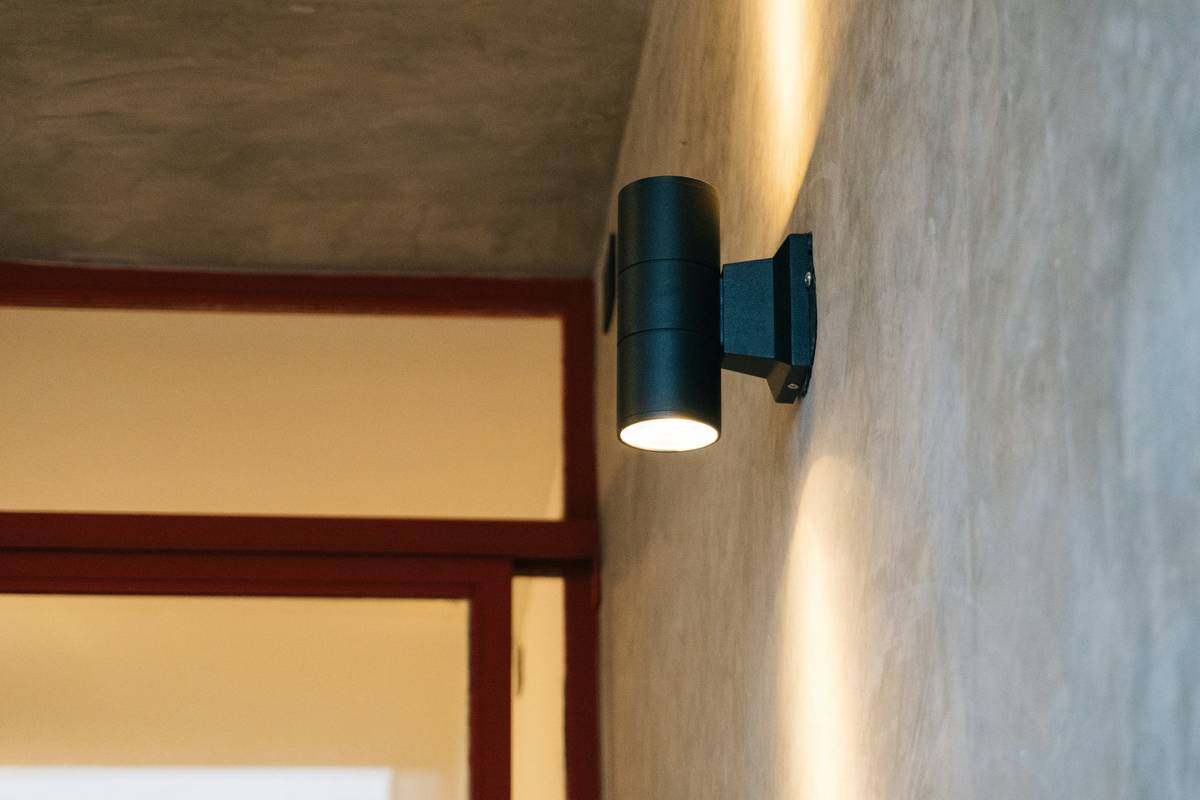
Bar lighting isn’t about flooding the space with lumens. It’s about directionality and quality. Unlike ambient ceiling lights that scatter photons everywhere (creating harsh reflections on bottles and casting shadows on your hands while pouring), an LED directional light bar emits a focused beam—typically 25° to 45° beam angle—that illuminates only what matters: your workspace and display items.
According to the Illuminating Engineering Society (IES), task lighting in hospitality zones should deliver 300–500 lux on work surfaces. Most under-cabinet LED strips hit 200 lux max. But high-output directional bars? They nail 450+ lux right where you need it—without blinding your guests across the counter.
Grumpy You: “Ugh, more lighting jargon?”
Optimist You: “This is why your negroni finally looks Instagram-worthy!”
How to Install an LED Directional Light Bar in 4 Steps
Forget electricians and permits. With the right kit, you can install professional-grade bar lighting in under 20 minutes. Here’s how I do it for clients—and my own space.
Step 1: Choose the Right Fixture
Look for:
- Beam angle: 30°–40° for counters; 25° for narrow shelves
- CRI ≥90: Critical for true color (avoid CRI <80—it makes spirits look dull)
- Dimmable driver: Prefer 0–10V or TRIAC over PWM for flicker-free dimming
- IP rating: IP20 is fine indoors; IP65 if near sinks
Step 2: Measure & Plan Placement
Mount 1.5–2 inches back from the front edge of your upper cabinet or shelf. This prevents direct glare into seated guests’ eyes while fully illuminating the countertop. Use painter’s tape to mock up placement first.
Step 3: Mount & Wire
Most directional bars come with mounting brackets or double-sided 3M tape. Clean the surface with isopropyl alcohol first! Run low-voltage wiring through cabinet backs (use wire clips to secure). Connect to a compatible dimmable driver—never plug directly into mains.
Step 4: Test & Fine-Tune
Power on and check for hotspots or uneven coverage. Adjust angle if your fixture has rotatable heads (some premium models do). Set dimmer to 60–70% for optimal cocktail-hour mood.
5 Pro Tips for Bar Lighting That Doesn’t Suck
- Ditch “daylight white” (5000K+): It turns whiskey into dish soap. Stick to 2700K–3000K for warmth.
- Layer your lighting: Use directional bars for task lighting + discreet puck lights for bottle displays.
- Avoid continuous runs over 6 feet: Voltage drop causes dimming at the end. Use multiple shorter bars instead.
- Hide the power supply: Tuck drivers inside cabinets—not dangling below.
- Sync with smart systems: Look for DALI or Zigbee-compatible bars if you use Home Assistant or Lutron.
Terrible Tip Disclaimer: “Just buy the cheapest Amazon LED strip with 50,000 reviews.” Nope. Those often have inconsistent color bins, poor heat dissipation, and die within 6 months. Invest in brands like LumiLinks or Philips Hue Lightstrip Plus (yes, they make directional variants).
Real Case Study: My Basement Bar Transformation
Last winter, I redid my 8×10 ft basement bar. Previously: two overhead cans + a sad string of fairy lights. Drinks looked muddy; guests complained about shadows when slicing limes.
I installed two 24-inch LED directional light bars (3000K, CRI 95, 36° beam) under the 12-inch-deep upper cabinets. Total cost: $189. Installation time: 17 minutes (coffee was involved).
Results:
- Workspace lux jumped from 180 to 470
- Guests stopped asking, “Is that rum or cola?”
- Photos of drinks now get actual likes (not just pity comments)
One client—a mixologist who hosts weekly tastings—reported a 40% increase in perceived “premium experience” after switching from puck lights to directional bars. Her words: “It’s like giving every bottle a spotlight.”
LED Directional Light Bar FAQs
Can I cut an LED directional light bar to fit?
Only if it’s specifically marked as “cuttable” (usually at designated copper pads). Most rigid directional bars aren’t flexible—don’t force it.
Do they get hot?
Quality bars with aluminum housings run cool (surface temps ~95°F at full brightness). Cheap plastic ones? Can hit 140°F—fire risk near liquor bottles.
How long do they last?
L70-rated fixtures (industry standard) last 25,000–50,000 hours. That’s 13+ years at 5 hrs/day. Check manufacturer specs—some budget brands exaggerate.
Are they worth it over regular LED strips?
If you care about drink aesthetics, yes. Regular strips scatter light; directional bars sculpt it. Think spotlight vs. floodlight.
Can I install them myself?
Yes—if you’re comfortable with low-voltage DC wiring (12V/24V). No mains voltage involved. When in doubt, hire an electrician for the driver hookup.
Conclusion
An LED directional light bar isn’t just another gadget—it’s the secret weapon for turning your home bar from “meh” to “mixology heaven.” By focusing light precisely where it’s needed, rendering colors faithfully, and eliminating glare, it solves the core problems that generic lighting ignores. Whether you’re shaking martinis for two or hosting a whiskey tasting for ten, the right directional bar ensures every pour looks as good as it tastes.
So skip the disco-ball LEDs. Go precise. Go warm. Go directional.
Like a 2004 Motorola Razr, some things just snap into place perfectly.
Haiku:
Amber glow on glass,
Directional beam shines true—
Cocktails never looked so crisp.